I used to think jam making was one of those things you needed a grandma for.
Turns out you just need figs, sugar, a lemon, and about 40 minutes of not doing much of anything.
This fig jam recipe has become one of my favorite ways to use up fresh figs before they go soft on the counter. It’s deep, sweet, a little floral, and it tastes nothing like the stuff in the store.
No pectin. No canning equipment. No standing over a pot for hours wondering if you did it right.
Just figs, sugar, lemon, and a little patience while your kitchen starts smelling like a bakery.
Side Note: If your figs are already super ripe and a little wrinkly, that’s actually perfect for jam. Don’t toss them.
Why This Recipe Works
Fresh figs have a short season and an even shorter shelf life. Jam is basically how you trap that flavor before it disappears.
Here’s the part people don’t expect: figs are naturally low in acid. That matters more than you’d think, and I’ll explain exactly why in a second, because it changes how you should store this once it’s made.
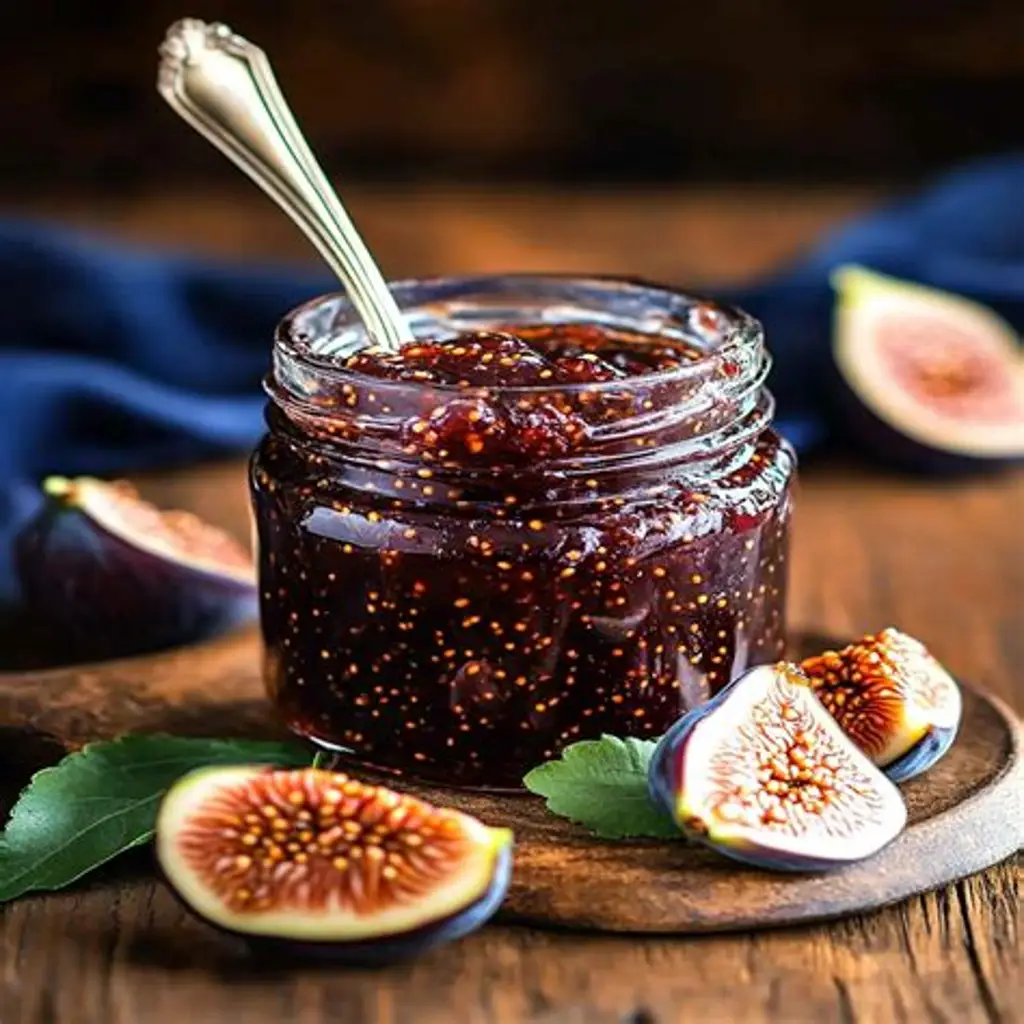
There’s also a texture thing happening here that regular store-bought jam can’t touch. Fresh fig seeds stay slightly crunchy even after cooking, so every bite has this little bit of texture against the soft, jammy fruit. It’s subtle, but it’s the detail that makes people ask what’s in it.
For now, just know this jam is:
- Small batch. No need to buy a case of figs.
- Naturally sweet. Less added sugar than most jam recipes.
- Flexible. Great on toast, cheese boards, or straight off the spoon.
What You’ll Need
| Ingredient | Amount |
|---|---|
| Fresh figs, stemmed and quartered | 2 lbs |
| Granulated sugar | 1 cup |
| Fresh lemon juice | 3 tablespoons |
| Lemon zest | 1 teaspoon |
| Water | 2 tablespoons |
| Salt | 1 pinch |
That’s it. Six ingredients, and one of them is water.
Tools You’ll Need
- Medium saucepan (heavy bottomed if you have one)
- Wooden spoon or heatproof spatula
- Potato masher (optional, for texture)
- Fine mesh strainer (if you want a smoother jam)
- Glass jars with lids
How to Make Fig Jam
- Prep the figs. Wash them, trim the stems, then quarter them. No need to peel.
- Combine everything in the pot. Figs, sugar, lemon juice, lemon zest, water, and salt all go in together.
- Let it sit for 10 minutes. This pulls some juice out of the figs before you even turn on the heat.
- Cook over medium heat. Stir occasionally until the sugar dissolves and the mixture starts to bubble.
- Simmer for 25 to 30 minutes. Stir more often as it thickens so nothing catches on the bottom.
- Mash as you go. Use a potato masher or the back of your spoon to break down the figs to your favorite texture. Chunky is great here.
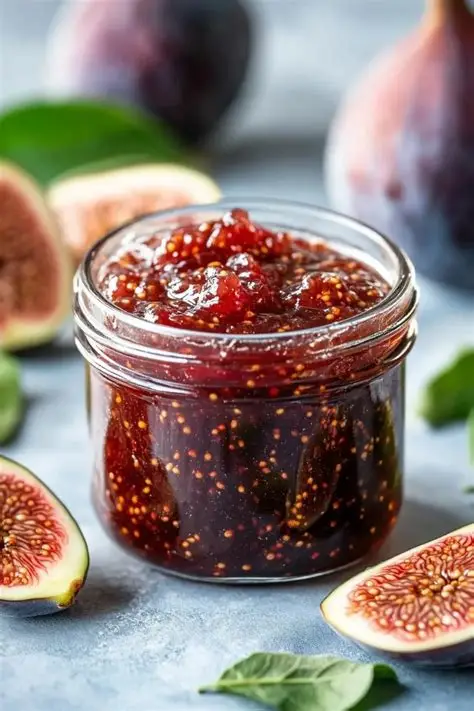
- Check for doneness. Drag your spoon across the bottom of the pot. If it leaves a clear path for a second or two before the jam fills back in, it’s ready.
- Cool slightly, then jar it up. Let the jam sit for 5 minutes before spooning it into clean jars.
Pro Tips
- Don’t walk away once it starts bubbling. Fig jam goes from perfect to scorched faster than you’d expect, especially in the last 10 minutes.
- Use a wide pot, not a deep one. More surface area means faster evaporation, which means less time standing over the stove.
- Taste before you add all the sugar. Fig sweetness varies a lot depending on ripeness. Start with 3/4 cup, then add more if needed.
- The jam will thicken more as it cools. If it looks slightly loose in the pot, that’s normal. Don’t panic and overcook it.
- A cinnamon stick or star anise dropped in while it simmers adds a nice warmth without turning it into a spiced jam. Just remember to fish it out before jarring.
Substitutions and Variations
- No fresh figs? Dried figs work in a pinch. Rehydrate them in warm water for 30 minutes first, then use about 1.5 cups of water in the recipe instead of 2 tablespoons.
- Want it less sweet? Drop the sugar to 2/3 cup. The jam will be looser and won’t keep quite as long, so plan to use it within a couple weeks.
- Add a splash of balsamic vinegar near the end of cooking for a fig jam that pairs incredibly well with cheese and crackers.
- Vanilla bean or a splash of vanilla extract stirred in at the end gives it a slightly bakery-style flavor.
- Swap the lemon for orange juice and zest for a completely different, brighter flavor profile.
Pairing Ideas
This jam pulls its weight in more places than plain toast.
- Cheese board: Pair it with brie, goat cheese, or a sharp cheddar. The sweetness cuts through rich, salty cheese in a way that feels almost unfair.
- Roasted meats: A spoonful next to roasted pork or chicken adds a sweet contrast that works surprisingly well.
- Breakfast: Swirl it into plain yogurt or oatmeal instead of using it just on bread.
- Dessert: Warm it slightly and spoon it over vanilla ice cream.
Make Ahead Tips
This jam actually gets better after a day in the fridge, once the flavors have had time to settle.
Make it up to a week ahead if you’re prepping for a cheese board, brunch, or gift jars. Just store it properly (more on that below).
A Quick Note on Food Safety
This recipe makes a refrigerator jam, not a shelf-stable canned jam.
Figs are low acid, and safe shelf-stable canning requires either added acid and a proper water bath processing time, or a pressure canner. If you want to can this jam for pantry storage, you’ll need to follow a tested, science-backed canning recipe with the correct processing time for your altitude, rather than just filling jars and calling it done.
For everyday use, keeping it in the fridge or freezer is the simpler and safer route, and it’s exactly what this recipe is written for.
Nutrition (Per Tablespoon, Estimated)
| Nutrient | Amount |
|---|---|
| Calories | ~35 |
| Carbs | 9g |
| Sugar | 8g |
| Fiber | 0.5g |
| Fat | 0g |
| Sodium | 1mg |
These numbers are estimates and will shift depending on your figs and exactly how much sugar you use. If you’re tracking macros closely, it’s worth double checking with your own ingredients.
Diet notes:
- Vegan: Already vegan as written.
- Gluten-free: Naturally gluten-free.
- Lower sugar: Cut sugar to 2/3 cup, but expect a shorter fridge life.
Storage and Leftovers
- Fridge: Store in a sealed jar for up to 3 weeks.
- Freezer: Freeze in a freezer-safe container for up to 6 months. Leave a little room at the top since the jam will expand slightly as it freezes.
- Thawing: Move it to the fridge the night before you want to use it.
Skip room temperature storage for this one. Since it isn’t processed for shelf stability, the fridge or freezer is where it belongs.
FAQ
Do I need to peel the figs first?
No. Fig skin is thin and soft once cooked, and it actually helps the jam hold its texture.
Why is my jam too runny?
It probably needs a few more minutes on the heat. Jam sets more as it cools, so also give it a full hour at room temperature before deciding it’s too thin.
Can I use green figs instead of purple ones?
Yes. The flavor will be slightly milder and less deep in color, but the recipe works the same way.
Can I double the recipe?
You can, but use a wider pot and expect the cooking time to stretch a bit longer since there’s more liquid to reduce.
Is fig jam the same as fig preserves?
Not quite. Preserves usually keep the fruit in larger pieces, while jam is more broken down and spreadable. This recipe lands somewhere in the middle, since you control the texture with how much you mash it.
My jam turned darker than I expected. Did I mess it up?
Probably not. Figs naturally darken as they cook, especially darker purple varieties, and the color deepens even more once the jam cools. If it tastes right and smells right, it’s fine.
Can I add nuts or seeds?
Yes, though I’d stir them in at the very end rather than cooking them the whole time. A tablespoon of chopped walnuts or pistachios adds a nice crunch, especially if you’re using this jam on a cheese board.
Wrapping Up
Fig season doesn’t last long, so this is one of those recipes worth making while you can actually find good figs.
It’s low effort, it makes your kitchen smell incredible, and it turns a fruit that goes bad in two days into something that lasts for weeks.
Give it a try, and let me know in the comments how yours turned out. If you tweak it with balsamic, vanilla, or a spice or two, I’d love to hear what you added.